Dog Dad, Father’s Day SVG
First Impressions: Warm, Clear, and Ready for Real Life
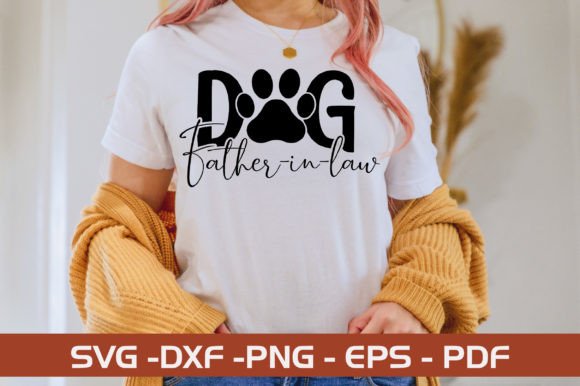
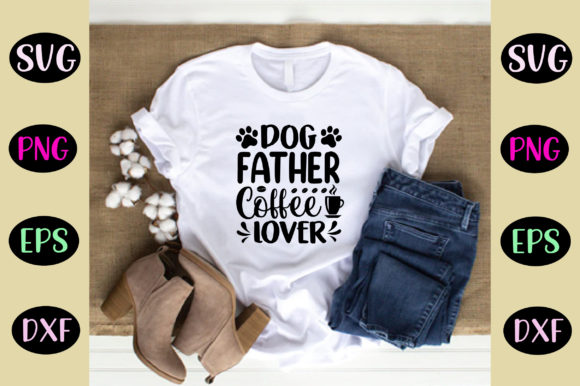
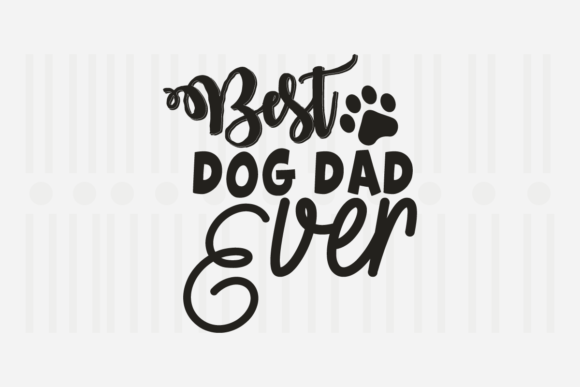
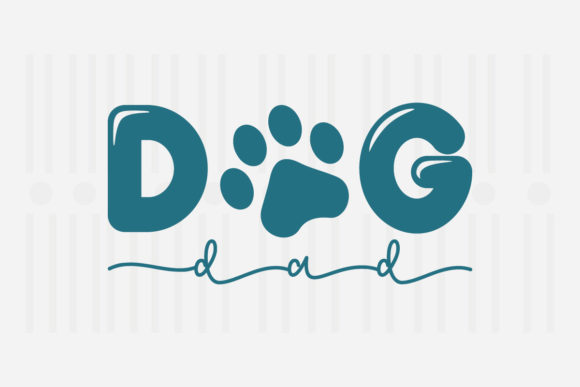
When I opened Dog Dad, Father’s Day SVG, my eye went straight to the balance—friendly script, a subtle paw print integrated just right, and clean negative space around the phrase. It doesn’t shout. It smiles. That’s rare in holiday-themed embroidery files, where clutter and over-decoration often dilute sincerity. As a designer who’s stitched hundreds of Father’s Day pieces—from baby onesies to boutique aprons—I immediately pictured this on a natural canvas tote bag: unbleached, slightly textured, with soft black thread. The mood is grounded, affectionate, and quietly confident—not kitschy, not stiff, and definitely not generic.
This Isn’t Just a Quote—It’s a Product Strategy
I tested Dog Dad, Father’s Day SVG across three real project types: a medium-weight cotton sweatshirt (for a local dad-focused pop-up shop), a linen tea towel (as a small-batch Etsy listing), and a 3-inch embroidered patch sewn onto denim jackets. In every case, the design held up—not because it’s complex, but because its simplicity works *with* embroidery, not against it. The letterforms have generous spacing and consistent stroke weight, which translates beautifully into satin stitch without distortion. There’s no fine serifs or hairline details that vanish under dense fill stitch. And that paw? Small enough to read clearly at 1.5 inches tall, yet bold enough to anchor the composition.
Where It Shines—and Where You’ll Want to Pause
Dog Dad, Father’s Day SVG excels on stable, medium-to-heavy fabrics: cotton twill, fleece-backed sweatshirts, structured totes, and woven kitchen towels. On those surfaces, the design reads cleanly even at modest sizes (3–4 inches wide), and the “100 Color Changeable” feature means you can shift from navy thread on cream fabric to mustard on charcoal—without redrawing anything. That flexibility matters when you’re prepping mockups for an Etsy shop or building a cohesive line of dad-themed merchandise.
But here’s what I watched closely: on thin, stretchy knits (like lightweight t-shirts), the outer curves of the letters softened slightly during stitching—nothing catastrophic, but enough to nudge me toward using light cutaway stabilizer instead of tear-away. On dark fabric, I confirmed the design’s open letterforms still hold contrast well—but only if your thread is matte and rich (no shiny polyesters unless you want a deliberate sheen). And on curved surfaces like caps? I resized it down to 2.75 inches and used a low-profile hoop. It worked—but wouldn’t recommend going smaller than that without checking stitch density in your embroidery software first.
Stitching Clarity = Customer Trust
Let’s be honest: buyers don’t see vector paths—they see how your finished product feels in their hands. When a customer unwraps a personalized sweatshirt with Dog Dad, Father’s Day SVG stitched cleanly across the chest, they’re not thinking about SVG files. They’re feeling the precision of the satin edges, the consistency of the fill, and the warmth of the message. That perceived quality directly affects repeat orders, social shares, and word-of-mouth referrals—especially among craft-savvy parents and gift shoppers. This design supports that trust because it avoids visual noise. No overlapping elements. No tiny decorative flourishes that snag or fuzz after washing. Just one strong, legible idea, executed with restraint.
Practical Designer Notes Before You Stitch
- Always test on scrap fabric first—especially if you’re layering it over seams, pockets, or textured weaves like waffle-knit towels.
- Check thread color contrast in both daylight and indoor lighting. What reads as warm charcoal on screen may look muddy on oatmeal linen.
- Review stitch density before sending to your machine. Even simple scripts can pack too many stitches if scaled up beyond 5 inches—look for long satin runs or tight corners that might cause puckering.
- Confirm hoop size early. This design fits comfortably in a 4x4 hoop at standard sizing—but if you plan to scale it for a large pillow cover or blanket border, verify your machine’s max dimensions.
- Inspect small details in black-and-white mockups. Sometimes subtle spacing issues only surface when color is removed.
- Use proper stabilizer: medium-weight cutaway for knits, tear-away for stable wovens, and fusible + tear-away for lightweight linens.
- Verify licensing before selling finished items or bundling the file in digital product kits. The listing says it’s for t-shirt, poster, mug, etc.—but commercial embroidery use (e.g., selling stitched patches wholesale) may require separate permission.
Who’s This Really For?
If you’re an Etsy seller building a seasonal collection, Dog Dad, Father’s Day SVG is a quiet workhorse—not flashy, but dependable across categories: embroidered baby onesies (paired with a tiny bone motif), minimalist aprons for barista dads, custom pillow covers for nursery decor, or even heat-transfer vinyl versions for last-minute craft fair inventory. Small shop owners will appreciate how easily it integrates into printable mockups—clean lines translate well to flat-lay photos, and the lack of intricate shadows or gradients keeps production predictable.
For creative entrepreneurs juggling multiple roles—designer, stitcher, marketer, fulfillment—it’s refreshing to find a machine embroidery design that doesn’t demand endless tweaks. It respects your time. It respects your fabric. And most importantly, it respects the person wearing or gifting the final piece.
A Final Thought on Value
In the world of Crafts and Graphics, value isn’t just in file formats or DPI specs—it’s in how smoothly a design moves from screen to stitch to shelf. Dog Dad, Father’s Day SVG delivers that flow. It’s not trying to be everything. It’s doing one thing—celebrating fatherhood through the lens of dog parenthood—with clarity, warmth, and craft-aware intelligence. That makes it more than a holiday file. It’s a thoughtful tool for anyone building handmade products with intention.