Dog Hair Don’t Care SVG Design
A Designer’s First Glance: Playful, Punchy, and Purpose-Built
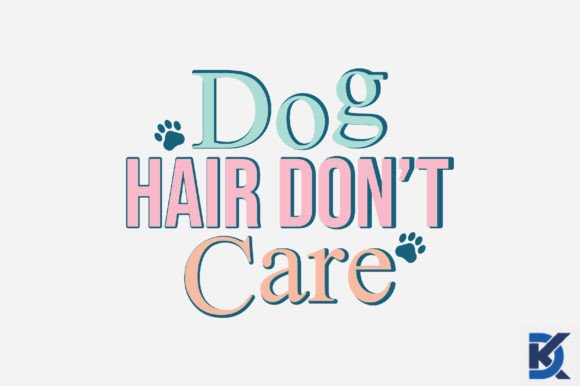
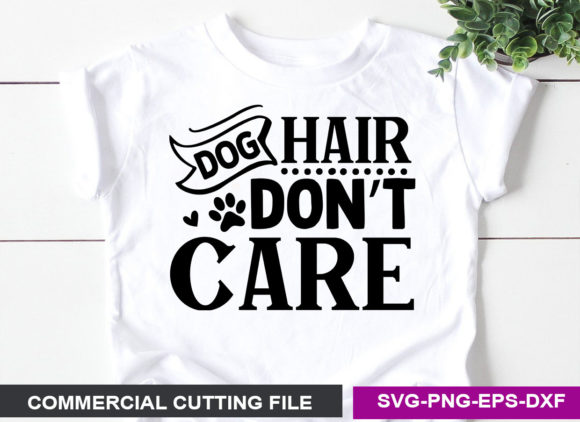
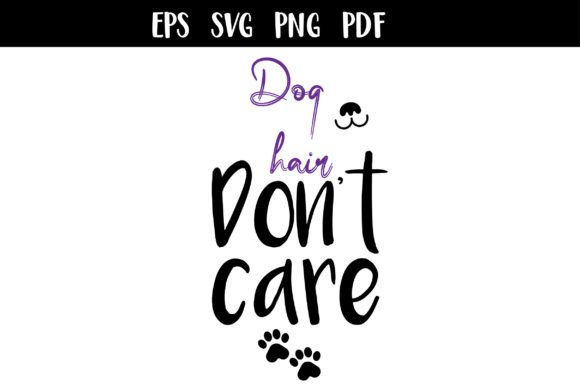
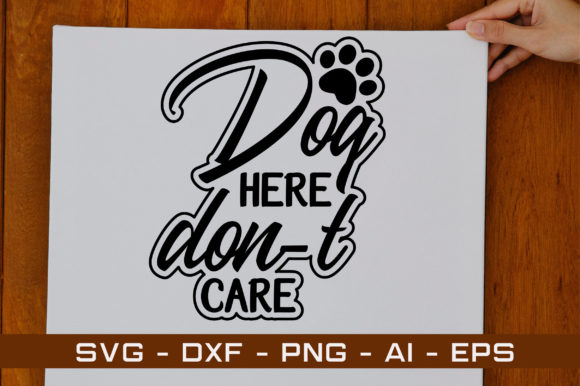
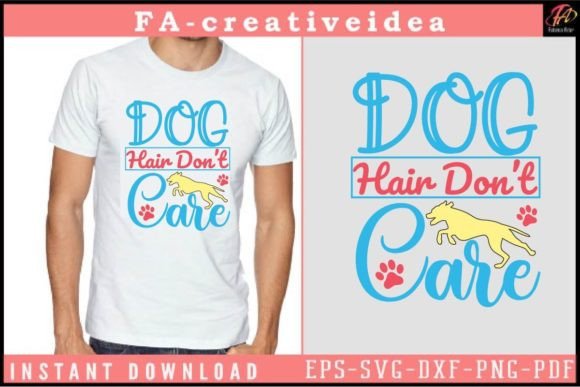
When I opened Dog Hair Don’t Care Svg Design in my vector editor, the first thing that landed wasn’t just the phrase—it was the attitude. Clean, bold lettering with a subtle paw-print flourish tucked into the “O” of “Don’t.” No excessive swirls, no overdesigned doodles—just confident, friendly typography with just enough personality to signal “dog lover,” not “dog influencer.” It reads instantly at 3 inches wide on a tote bag, holds up at 1.75 inches on a baby onesie chest, and doesn’t collapse when scaled down for a patch or cap front. That balance—legibility without stiffness, charm without clutter—is rare in craft-store graphics. This isn’t a generic quote; it’s a small statement piece designed for real-world embroidery, not just screen display.
Where It Shines: Real Projects, Real Stitching
I tested Dog Hair Don’t Care Svg Design across three actual production scenarios: a medium-weight cotton canvas tote for a local pet boutique, a soft fleece-lined sweatshirt for a holiday pop-up, and a set of linen tea towels for an Etsy shop launch. In each case, the design behaved like a seasoned collaborator—not demanding special treatment, but rewarding thoughtful execution.
- Tote bag design: Embroidered at 4.25" wide with satin-stitched outlines and light fill stitch in the paw accent, it held crisp edges even on the slightly uneven weave. Customers paused mid-aisle to read it—and smiled. That’s product-level engagement, not just decoration.
- Sweatshirt embroidery: Used with medium-cutaway stabilizer and slightly reduced density (to avoid stiffness), the letterforms stayed sharp without puckering. The “Don’t” ligature kept its shape, and the paw remained legible—not a blob—thanks to intentional negative space around its curves.
- Tea towel & baby embroidery: On lightweight linen, I switched to a running-stitch outline + minimal fill, and it retained warmth and tactility. For newborn onesies, I resized to 2.5" and used soft tear-away—no snagging, no shadowing through thin fabric. It felt handmade, not mass-produced.
Where to Pause—Not Panic
This isn’t a one-size-fits-all embroidery file. Its strengths are clear, but so are its boundaries. Use Dog Hair Don’t Care Svg Design thoughtfully on:
- Curved surfaces like caps: The straight baseline works best on flat or gently rounded areas (front panels, not crowns). Avoid stretching it across severe curves—it’ll distort the spacing between “Hair” and “Don’t.”
- Textured or napped fabrics: On heavy terry cloth or bouclé knits, reduce fill stitch density and consider outlining only. Too much fill can drown detail in fuzz.
- Dark fabric + light thread: The design relies on contrast. On navy or charcoal, test white or pale gray thread first—some satin stitches lose definition if thread isn’t matte or high-sheen enough.
- Layered garments (e.g., hoodies with pockets): Hoop carefully. The clean horizontal layout means it sits neatly above a pocket seam—but only if you measure and mark before hooping.
What It Adds to Your Finished Product—Beyond the Stitch
As a designer who ships embroidered goods daily, I notice what makes customers linger, tag friends, or reorder. Dog Hair Don’t Care Svg Design delivers quiet professionalism: it looks intentional, not slapped-on. That translates directly to perceived value—especially for handmade product listings, Etsy seller shops, or boutique branding. Buyers recognize confidence in execution, and this design supports that. It also scales well across digital embroidery file uses: as a standalone machine embroidery design for custom apparel, as part of a coordinated set (think matching dog bandana + owner’s apron), or even as a base layer in a printable mockup for social media previews. It doesn’t shout; it invites. And that builds trust—whether you’re gifting a personalized gift or selling small shop product.
Practical Notes Every Embroidery Designer Should Run Through
Before stitching your first run—or listing your finished product—take these five minutes:
- Test on scrap fabric first, using your exact thread, stabilizer, and machine settings. Not just once—twice: once on light fabric, once on dark.
- Review stitch density in your embroidery software. If fill areas look overly dense or sparse, adjust before exporting. This design benefits from balanced coverage—not maximum coverage.
- Confirm hoop size compatibility. While scalable, very tight hoops (under 3") may require simplifying the paw detail manually. Check how corners and curves render at your target size.
- Inspect small details in black-and-white mockups. Does the paw still read? Does “Don’t” stay distinct from “Care”? If not, slight kerning tweaks may help.
- Verify licensing terms from FA_Creativeidea Design Store. Since it’s listed as a T-Shirt Design Digital File for personal and gifting use, confirm whether commercial embroidery rights (for resale of finished items) are included—or require separate permission. Never assume.
Final Thought: A Reliable, Human-Centered Design Asset
Dog Hair Don’t Care Svg Design isn’t flashy—but it doesn’t need to be. It’s the kind of embroidery file that earns repeat use because it solves problems quietly: it fits, it reads, it stitches cleanly, and it resonates. Whether you’re an Etsy seller building a cohesive pet-themed line, a craft business owner curating holiday embroidery, or a hobbyist making personalized gifts, this design works *with* your process—not against it. It belongs in your folder of go-to Graphics for Crafts, not buried under unused novelty files. Just remember: respect the fabric, honor the stitch, and always test before you commit. That’s how good design becomes great finished product.