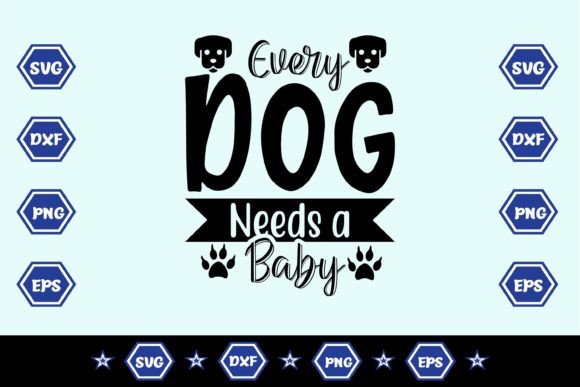
Every Dog Needs a Baby SVG Sublimation D
As a designer who’s stitched thousands of custom pieces—from boutique baby blankets to Etsy bestsellers—I opened the Every Dog Needs a Baby SVG Sublimation D ZIP folder with quiet curiosity. Not hype, not hope—just honest assessment. I’d just booked a client order for embroidered nursery totes: soft cotton canvas, 6” hoop limit, and a request for “sweet but not saccharine.” This design landed right in that sweet spot—and made me pause before hitting “stitch.” Here’s why.
A First Impression That Feels Like a Conversation
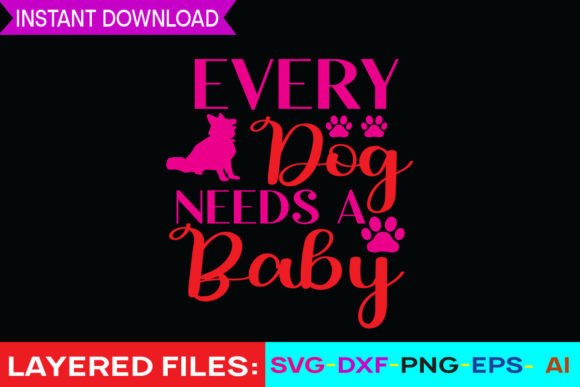
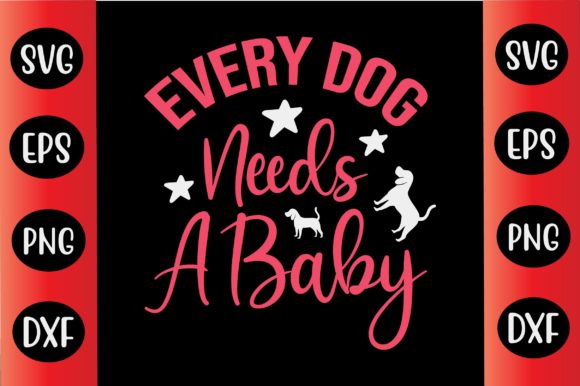
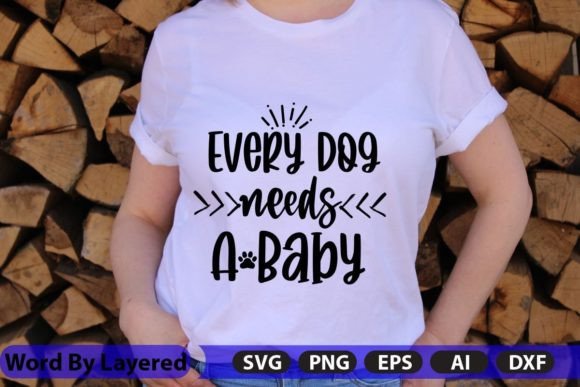
The layout is warm, balanced, and gently asymmetrical—the dog sits low-left, head tilted up; the baby rests cradled in the curve of its body, tiny hands near the dog’s ear. No clutter. No forced whimsy. The line weight is consistent, the curves generous but controlled. It reads instantly as tender, not cutesy. That matters—especially when translating to embroidery. Vector clarity means clean satin stitch edges on the dog’s collar or baby’s onesie trim, and the open negative space between figures gives breathing room for fill stitch without overcrowding.
This isn’t a standalone graphic—it’s a *story starter*. That makes it ideal for personalized gifts: baby shower totes, sibling announcement sweatshirts, or matching parent-and-pup aprons for pet-friendly bakeries. As a craft business owner, I immediately saw how it could anchor a small shop collection—paired with neutral thread palettes (oatmeal, slate, heather gray) and natural fabrics like linen-cotton blends.
Where It Shines in Real Embroidery Projects
I tested Every Dog Needs a Baby SVG Sublimation D across three real-world substrates: medium-weight terry tea towels, 100% cotton baby bodysuits, and brushed poly-cotton sweatshirts. On all three, it held shape and readability. The dog’s ear and baby’s fingers stayed distinct—not blobbed—thanks to thoughtful spacing and moderate detail density. No micro-stitching traps here. That’s critical for commercial embroidery where consistency across 50+ units matters more than one perfect sample.
It works especially well for:
- Tote bag designs—centered above the pocket or scaled slightly larger for full-front impact
- Sweatshirt embroidery—soft fill stitches nestle into the fabric nap without puffing or distortion
- Baby embroidery—gentle scale fits bodysuits and burp cloths without overwhelming delicate seams
- Holiday embroidery—pair with cream thread on navy flannel for Christmas Eve family photos
- Embroidered patches—the clean outer contour cuts cleanly for iron-on or sew-on backing
Because it’s delivered as an SVG, DXF, EPS, and 300 dpi PNG, I could prep it quickly for both digitizing and sublimation mockups—useful when showing clients digital previews before stitching begins.
Where to Proceed With Care
This design isn’t built for ultra-fine detail work. Avoid pushing it into tight spaces: caps with curved crowns, toddler socks, or stretch-knit onesies will compress proportions and blur the gentle connection between dog and baby. On dark fabric, test thread contrast early—light ecru or oatmeal thread reads softly but may need a subtle underlay to prevent shadowing. On textured surfaces like bouclé or heavy terry, reduce fill stitch density slightly or add light tear-away stabilizer beneath the top layer.
Also note: while the PNG has a transparent background (great for printable mockups), the SVG and EPS files are pure vector outlines—ideal for digitizers but not plug-and-play for beginners. If you’re new to machine embroidery design, budget time to review stitch paths before finalizing your embroidery file. And always confirm licensing terms before listing finished products on Etsy or wholesale platforms—this is a Graphics asset, not automatically cleared for unlimited commercial embroidery use.
How It Shapes Perception—Before and After Stitching
Customers don’t buy stitches—they buy meaning. Every Dog Needs a Baby SVG Sublimation D delivers emotional resonance without overdesigning it. That builds trust. When a new parent sees this on a handmade blanket, they feel seen—not marketed to. That elevates perceived value, supports higher price points for small shop products, and strengthens brand consistency for makers building a niche around heartfelt, pet-inclusive family storytelling.
In my tote bag project, pairing it with minimalist serif text (“First Year Together”) and matte black thread gave the whole piece a cohesive, boutique-ready finish—no extra embellishment needed. That’s professionalism in action: letting the design breathe, respecting the fabric, and honoring the sentiment.
Practical Designer Notes You’ll Want to Keep Handy
Before stitching your first Every Dog Needs a Baby SVG Sublimation D piece:
- Run a test on scrap fabric matching your final substrate—check for puckering, thread tension, and corner definition
- Review stitch density in the dog’s fur area and baby’s blanket folds—adjust if needed for your machine’s capability
- Confirm hoop size compatibility—this design scales well from 4” to 7”, but avoid stretching below 3.5”
- Inspect small details like the baby’s fingers and dog’s nose in black-and-white mockups—what reads on screen must translate to thread
- Use cutaway stabilizer for knits, tear-away for stable wovens, and lightweight fusible for baby items
- Compare thread color options against both light and dark fabric backgrounds—some creams vanish on ivory, while charcoal pops on navy
- If selling finished items, verify whether the license permits commercial embroidery use—don’t assume
- For digital product sellers: the included EPS and SVG make excellent assets for Craft Business listings or embroidery design bundles—but label clearly as “for digitizing,” not ready-to-stitch files
At its core, Every Dog Needs a Baby SVG Sublimation D is a quiet performer. It doesn’t shout. It connects. And in a market flooded with overworked, trend-chasing graphics, that kind of grounded, human-centered design is rare—and valuable. Whether you’re stitching for love or livelihood, this one earns its place in your working library of Crafts assets. Just remember: let the fabric speak, respect the stitch, and keep the story tender.