Every Dog Needs a Home SVG Design
A Designer’s First Look: Warm, Simple, and Purposefully Unfussy
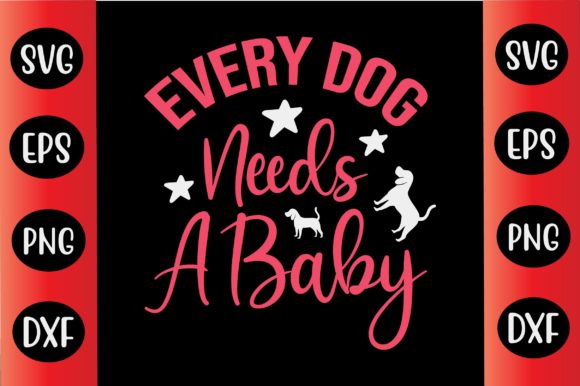
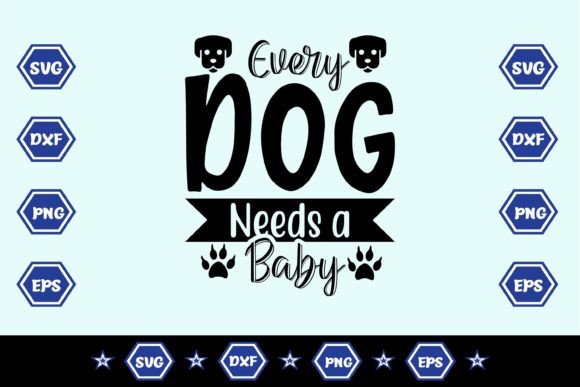
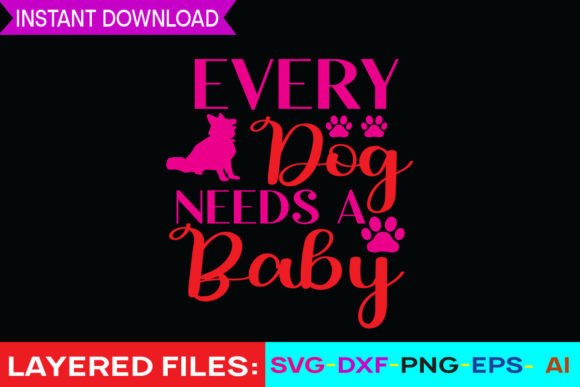
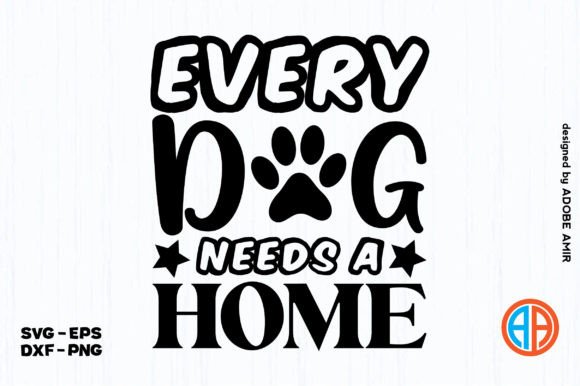
When I opened Every Dog Needs a Home SVG Design, my first thought wasn’t “cute” — it was “clear intention.” This isn’t a fussy, over-embellished graphic. It’s a gently curved phrase with soft, rounded lettering and a subtle paw print tucked into the “o” of “Home.” The layout breathes — generous spacing, balanced weight, no visual crowding. It feels handmade in spirit, even as a digital file. That matters. As someone who’s stitched hundreds of phrases onto baby onesies, tote bags, and boutique aprons, I know how much mood a design carries before the needle even moves. This one says compassion, quiet joy, and everyday kindness — not trend-chasing or novelty.
Real Project Test: A Custom Embroidered Tote for a Local Rescue Fundraiser
Last month, I used Every Dog Needs a Home SVG Design to create 30 embroidered canvas totes for a shelter’s adoption event. We chose medium-weight natural canvas, tear-away stabilizer, and matte cotton thread in charcoal and warm oat. The result? Clean, legible, and deeply resonant. Customers didn’t just buy a bag — they paused, smiled, read it aloud. That’s the quiet power of well-placed typography in embroidery: it invites connection, not just decoration. The design scaled beautifully at 4.2 inches wide — large enough to read from across a room, small enough to sit comfortably on a standard tote handle area without overwhelming the fabric.
Where It Shines (and Where to Pause)
Every Dog Needs a Home SVG Design works exceptionally well for:
- Custom apparel: Sweatshirt embroidery and t-shirts — especially on crewnecks and relaxed-fit tees where the gentle curve follows the chest line naturally.
- Baby embroidery: Onesies and burp cloths — its simplicity avoids visual clutter and reads clearly at smaller sizes (down to ~3 inches with clean stitch execution).
- Patches and pillow covers: The open letterforms hold up well in satin stitch; corners stay crisp, and the paw detail stays legible without excessive density.
- Holiday and gift embroidery: Think tea towels for dog-loving friends at Christmas, or personalized kitchen aprons for new pet parents — it adds warmth without kitsch.
- Small shop product branding: As a subtle logo alternative on tags, packaging liners, or shelf cards for craft businesses focused on rescue themes or pet-friendly goods.
That said, here’s where thoughtful prep is non-negotiable:
- Thin or stretchy fabric: On lightweight knits or rayon blends, use cutaway + topping — the open letterforms can distort if the base shifts mid-stitch.
- Dark or textured fabric: Test thread contrast rigorously. What reads softly on cream canvas may vanish on black denim unless you choose high-contrast thread (e.g., bright white or mustard) and confirm fill stitch density supports visibility.
- Caps and curved surfaces: While the arc helps, avoid placing it too close to the bill seam. Use a cap hoop and run a test on scrap first — the top curve of “Needs” can pull slightly if stabilizer isn’t fully secured.
- Frequent-wash items: For baby bibs or kitchen towels, double-check stitch density in the paw icon and inner curves — overly dense fills can stiffen and crack over time. A light fill stitch or strategic running stitch accents often outperform heavy satin here.
What It Adds to Your Finished Product — Beyond Aesthetics
This isn’t just about whether the letters look nice. Every Dog Needs a Home SVG Design elevates perceived value because it feels intentional, not generic. Customers notice when wording is legible at a glance, when spacing respects the fabric’s texture, and when symbolism (like that paw) integrates rather than interrupts. For Etsy sellers and small shop owners, that translates directly to trust: buyers assume care went into the *entire* process — sourcing, stitching, finishing — not just the design download. It also strengthens brand consistency for craft businesses centered on empathy, community, or animal welfare. And yes — it boosts giftability. A hand-embroidered tote with this phrase doesn’t say “I bought something.” It says “I chose something meaningful.”
Practical Notes Every Embroidery Designer Should Run Through
Before cutting fabric or loading your machine:
- Test on scrap fabric first — especially if using textured, dark, or stretchy material.
- Review thread color contrast in both natural and artificial light — what looks bold in daylight may mute indoors.
- Check stitch density in the paw icon and tight curves — adjust if needed for durability or drape.
- Confirm hoop size compatibility with your intended project (e.g., standard 4x4 for patches vs. larger for tote front panels).
- Inspect small details at actual stitch-out size — zoom in on your embroidery software preview; don’t rely solely on the SVG thumbnail.
- Test in black-and-white mockups to assess readability and hierarchy without color distraction.
- Compare light/dark fabric backgrounds — same thread, two bases, two very different impressions.
- Use proper stabilizer — tear-away for stable wovens, cutaway for knits, and always a light topping for napped or fuzzy surfaces.
- Verify licensing before selling finished items or bundling this as part of a digital product — the listing states it’s for Cricut Explore and Si, but commercial embroidery rights must be confirmed directly with the creator.
Final Thought: Simplicity, Done Right, Is Anything But Simple
Every Dog Needs a Home SVG Design is proof that restraint — thoughtful spacing, purposeful detail, and emotional clarity — makes a design resilient across mediums and markets. It’s equally at home on a nursery wall hanging, a fundraiser sweatshirt, or an Etsy listing for printable mockups. As a designer and reviewer, I don’t reach for it when I need flash. I reach for it when I need resonance. And in crafts, graphics, and handmade product development, that’s where real connection begins.